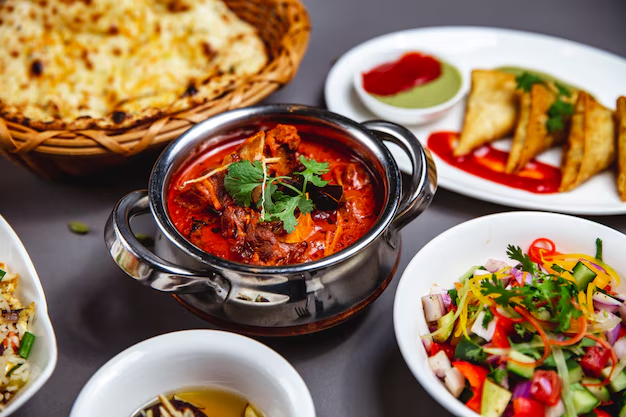
Walk into a kitchen where Indian food is cooking and you’ll smell it before you see it. Cumin popping in hot oil, turmeric turning everything a deep gold, maybe a whiff of cardamom drifting in from somewhere else on the stove. That smell is the whole point. Indian spices aren’t sprinkled on at the end to fix a bland dish. They’re what the dish is built on from the very first step.
Why Indian Spices Are Essential to Indian Cuisine
Travel from one Indian state to the next and the food changes completely, but one thing stays the same everywhere: the spice box sitting next to the stove. A coastal fish curry and a thick Punjabi dal don’t taste anything alike, yet both lean on seasoning to pull out the natural flavor of what’s already in the pot rather than mask it.
This is really what sets authentic Indian cuisine apart from a dish that just borrows an Indian name without the technique behind it. Spices bring warmth, tang, sweetness, and earthiness, sometimes all in the same pan, and knowing which one goes in first and which one needs to wait until the end takes years to get a feel for. That instinct, passed down in home kitchens for generations, is a big part of what gives the food its character.
The Most Popular Traditional Indian Spices
A handful of spices show up in nearly every Indian kitchen, no matter which region the recipe comes from. These are the ones cooks reach for without even thinking about it, the core of most traditional Indian spices.
- Cumin seeds, earthy and slightly nutty, usually the first thing into hot oil
- Turmeric, for its golden color and a warm, slightly bitter edge
- Coriander seeds, light and citrusy, best when ground fresh
- Mustard seeds, tossed in whole so they pop and release a peppery note
- Cardamom, sweet and floral, showing up in both savory dishes and desserts
- Cloves and cinnamon, bold and warming, often used side by side
- Red chili powder, for heat, though how much varies from one household to the next
Keep these seven on hand and you’ve already covered most of what a basic Indian pantry needs.
How Indian Spices Build Authentic Flavors
The real secret isn’t just which spices go in, it’s when and how. Dropping whole spices into hot oil, a step called tempering, releases oils that ground spices simply can’t match on their own. It’s a small step that does a lot of the heavy lifting in Indian cooking.
Timing matters just as much. A curry might open with whole cumin and mustard seeds, add ground turmeric and coriander once the onions soften, and finish with a pinch of garam masala right before it’s served. Each stage layers in something new, so by the time the dish reaches the table, you’re tasting several rounds of Indian food flavors stacked on top of each other instead of one flat seasoning.
Essential Indian Spice Blends You Should Know
Beyond single spices, a lot of Indian cooking depends on blends, where several spices get roasted and ground together into something more complex than any one of them alone.
- Garam masala, warm and fragrant, usually added near the end of cooking
- Chaat masala, tangy and salty, sprinkled over snacks or even fresh fruit
- Sambar podi, a South Indian mix built for lentils and tamarind-based stews
- Panch phoron, a Bengali five-spice blend used whole for tempering oil
Each of these aromatic Indian spices blends carries its own regional identity, and swapping one out for another can change a familiar dish almost entirely.
Health Benefits of Common Indian Herbs and Spices
Beyond flavor, plenty of Indian herbs and spices have a long history tied to everyday wellness. Turmeric is often associated with natural anti-inflammatory properties, cumin has traditionally been used to support digestion, and fenugreek shows up in dishes meant to aid metabolism.
Black pepper, frequently paired with turmeric, is thought to help the body absorb certain nutrients more efficiently. None of this turns a curry into medicine, but it does explain why these ingredients have stuck around in Indian kitchens for so many centuries.
How Indian Chefs Balance Spices in Every Dish
A skilled cook treats spicing almost like a musician tuning an instrument, always listening for balance. Too much heat and everything else disappears. Too little and the dish falls flat and forgettable.
The right balance shifts depending on what’s being cooked. A rice dish usually calls for a lighter hand, since the goal there is fragrance rather than intensity, while a slow-cooked meat curry can carry bolder Indian cooking spices, because the long simmer softens their sharper edges over time.
Tips for Cooking with Authentic Indian Spices
You don’t need years of training to bring some of this flavor into your own kitchen. A few habits go a long way toward authentic Indian flavors at home.
- Buy whole spices when you can, and grind small batches fresh
- Toast whole spices lightly in a dry pan before grinding them
- Add whole spices early in cooking, ground spices somewhere in the middle
- Keep spices in airtight containers, away from heat and direct sunlight
- Start with less than you think you need, then adjust as you taste
Cooking this way isn’t about following a strict formula. It’s more about tasting as you go and slowly learning what each spice brings to the pot.
Frequently Asked Questions
What are the most commonly used Indian spices?
Cumin, turmeric, coriander, mustard seeds, and red chili powder form the base of most Indian kitchens. Nearly every regional cuisine leans on some combination of these five.
How do Indian spices create authentic flavors?
They build flavor in layers, added at different points during cooking so the dish develops real depth. A single seasoning moment rarely produces that same effect.
Are Indian spices healthy?
Many carry long-recognized wellness properties, including turmeric’s anti-inflammatory reputation and cumin’s traditional role in digestion. They’re not a substitute for medical care.
Which spices are essential in traditional Indian cooking?
Cumin, turmeric, cardamom, and garam masala are staples across most regional styles. Very few Indian kitchens operate without at least these four on hand.
What makes Indian food so flavorful?
It’s the careful layering and balancing of spices in Indian food, more than any one single standout ingredient, that sort of gives the whole cuisine its depth.