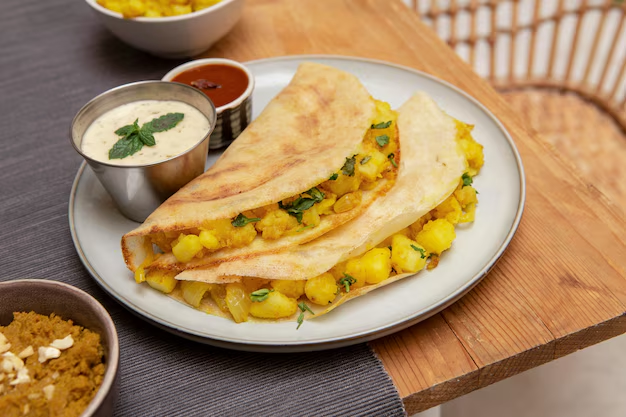
A basket of warm naan lands on the table. Right next to it, a masala dosa, golden and crackling at the edges. One gets torn apart and dragged through a thick curry. The other snaps, then gets dunked into sambar and a few chutneys. Same country. Completely different meal.
That’s really the fastest way to explain North Indian vs South Indian food. It’s not just bread versus rice, or mild versus spicy, though people say that a lot. The real gap is in the ingredients, how the food gets cooked, and honestly, what a “complete meal” even means depending on where you are.
What Is the Difference Between North and South Indian Food?
North Indian cuisine usually centers around bread, thick curries, and things that take hours to simmer down properly. Naan, roti, tandoori everything, and gravies with real weight to them. It’s food you sit with.
South Indian cuisine goes a different way entirely. Rice and lentils do most of the heavy lifting, and the flavors lean tangy and fermented, sometimes tempered in oil with mustard seeds cracking away. A single South Indian meal might jump between crisp, soft, and soupy without you even noticing the shift.
None of this is a hard rule, to be clear. Both regions are made up of dozens of smaller food cultures, and plenty of dishes don’t fit neatly into either box. But as a starting point before getting into actual dishes, it holds up.
Popular Dishes in North Indian Cuisine
North Indian dishes split roughly into three moods once you start paying attention. There’s the rich, creamy side, the smoky grilled side, and the everyday comfort dishes that show up at almost every meal without fail.
| Mood | Dishes |
| Rich and creamy | Butter chicken, paneer curries, saag |
| Smoky and grilled | Tandoori chicken, kebabs, grilled meats |
| Everyday comfort | Channa masala, dal, jeera rice, roti |
It’s food that fills you up. You don’t rush through it.
I’d do the same for the Must-Try South Indian Dishes section right after, so the two sections mirror each other visually and the contrast lands harder.
Must-Try South Indian Dishes
South Indian dishes hit differently, and the pace of eating changes too. The crisp side gets made fresh right before it hits your plate, the softer side feels light but satisfying, and the tangy side is where a lot of the region’s identity really comes through.
| Mood | Dishes |
| Crisp | Plain dosa, masala dosa, rava dosa, vada |
| Soft and comforting | Idli, steamed rice, vegetable kurma, coconut curries |
| Tangy and peppery | Sambar, rasam, Chettinad-style dishes |
How Ingredients and Spices Differ
A lot of the difference actually starts before anything hits the stove.
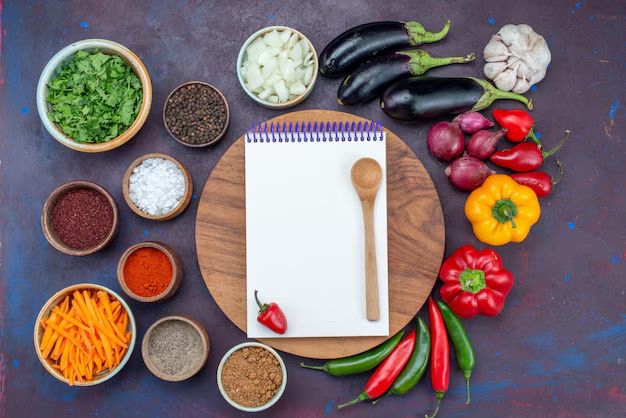
North Indian cooking leans on yogurt for tang, cream for body, and garam masala for that warm depth people expect from a good curry. Fenugreek adds a slight bitterness. Tomato and onion usually form the base everything else gets built on top of.
South Indian cooking pulls from a different set entirely. Tamarind for sharp acidity, curry leaves for that unmistakable smell the second they hit hot oil, mustard seeds for a nutty pop. Coconut brings sweetness and body, while black pepper gives a direct kind of heat, nothing like chili heat, more upfront and warming. Once you know these ingredients, guessing how a dish will taste gets a lot easier.
Cooking Styles Across India’s Regions
Before you even taste anything, these two cuisines sound different in the kitchen. Bread slaps against the scorching wall of a tandoor. Dosa batter spreads thin across a hot griddle and starts crisping almost instantly. Mustard seeds pop the second oil touches them. Somewhere else, a curry just sits and simmers for hours, slow and low, while idli steams gently instead of frying, staying soft the whole way through. Meat chars over direct, aggressive heat.
None of this is just technique for technique’s sake. It shapes texture and aroma long before a single spice gets added, and it’s a big part of why Indian regional cuisine varies so much from state to state.
Which Indian Cuisine Is Right for You?
North Indian food might be your pick if you usually go for bread over rice, like a good creamy or tomato-heavy sauce, enjoy smoky grilled flavors, or just want something rich enough to keep you full for the rest of the night.
South Indian food might suit you better if you like crisp and soft textures showing up in the same meal, enjoy tangy or coconut-forward flavors, love rice and lentils and fermented foods, or want something lighter that still doesn’t leave you hungry an hour later.
And if you genuinely can’t decide? Order both. Especially if you’re eating with a group, sharing plates, or just new to authentic Indian food and curious where to even start. Trying one dish from each region at the same table is honestly the easiest way to figure out what you actually prefer.
Where to Enjoy Authentic North and South Indian Food
You don’t really need to pick a side before you order. Put both on the table and taste them next to each other, that’s the whole point.
At Mughal The Biryani House in Park Ridge, you can move between familiar North Indian dishes like curries and fresh breads, dosa, and idli on the South Indian side, plus a solid range of biryani, all in one sitting. Grab one dish from each region, share it around the table, and pay attention to how the texture and spice shift bite to bite. It’s a pretty simple way to explore traditional Indian food without locking yourself into just one regional style for the night.
Frequently Asked Questions
What is the difference between North Indian and South Indian food?
North Indian food leans bread-heavy and rich, built around slow-cooked curries, while South Indian food centers on rice, lentils, and tangy, fermented flavors like dosa and sambar.
Which cuisine is spicier, North Indian or South Indian?
Neither one wins automatically. Heat really comes down to the specific dish and recipe, not which half of the country it’s from.
What are the most popular North Indian dishes?
Butter chicken, paneer curries, tandoori dishes, kebabs, dal, and naan top most people’s lists.
What are the must-try South Indian dishes?
Dosa, idli, vada, sambar, rasam, and coconut-based curries are a solid place to start if you’re exploring South Indian dishes for the first time.
Which Indian cuisine is best for first-time diners?
Really depends on your taste, but a lot of first-timers start with North Indian food for its familiar richness, then work their way toward South Indian flavors like dosa and sambar once they’re ready to branch out.